What Are Common Dairy-Free Baking Mistakes? And How to Avoid Them
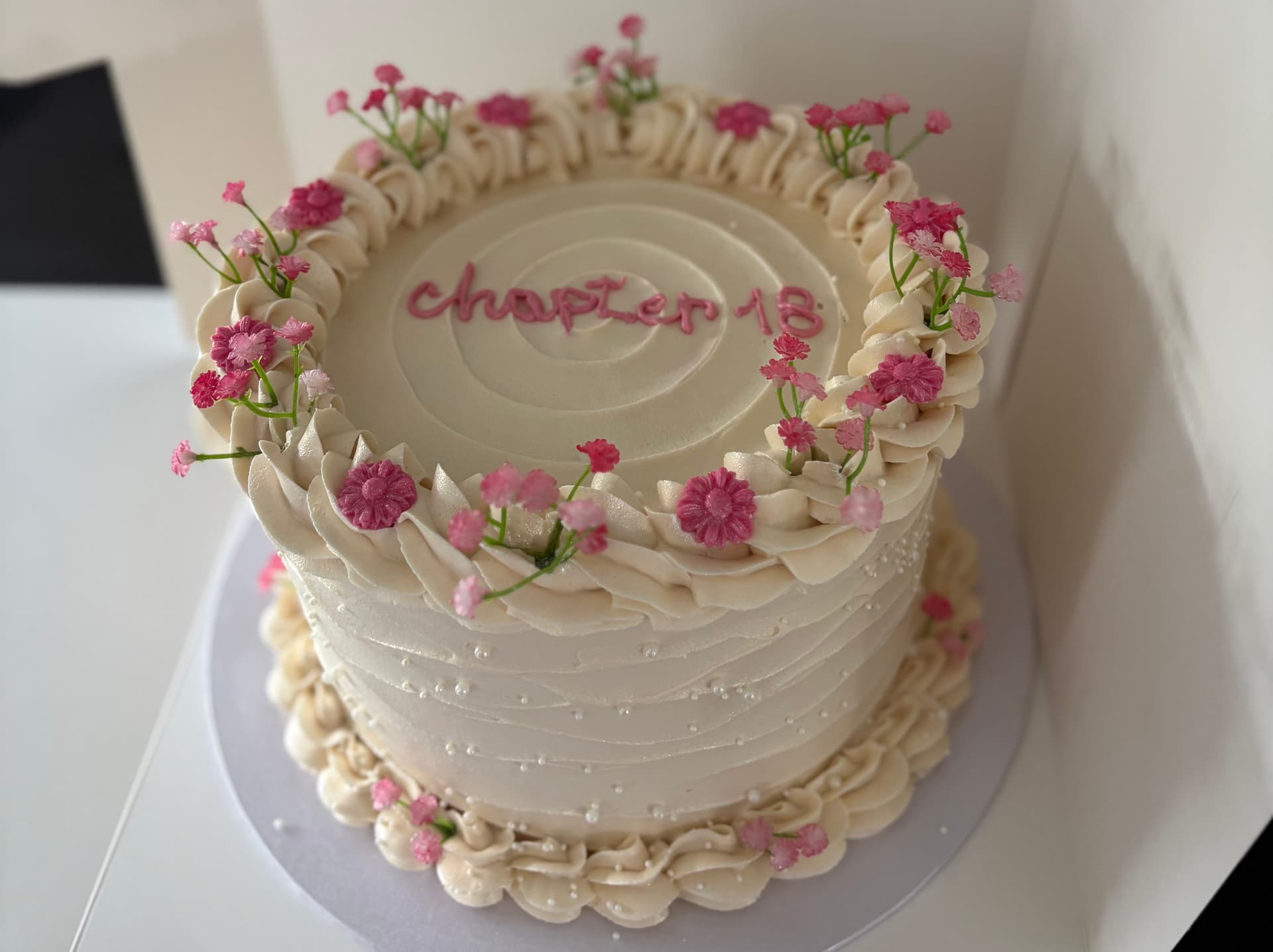
What Are Common Dairy-Free Baking Mistakes?Dairy-free baking has come a long way. Gone are the days when a dairy-free cake had to be dry, crumbly, flat or “good enough for someone with allergies.”At Just Cakes, we believe everyone deserves a proper slice of cake. Whether you’re baking for a child with a milk allergy, a dairy intolerance, a vegan guest, or a family celebration where everyone needs to be included, dairy-free baking can be every bit as soft, rich and beautiful as traditional baking.But - and this is where I’m going to be honest - dairy-free baking is not always as simple as swapping butter for margarine and hoping for the best.The ingredients behave differently. The textures change. The structure can be weaker. The flavour can fall flat. And if you’re also baking without eggs, gluten, nuts or soya, things get even more technical.So let’s go through the most common dairy-free baking mistakes and how to avoid them. And If you want to put these into practice later, you can start with my Egg and dairy free vanilla sponge starter kit https://www.justcakesbakery.com/digital-products/cmnuaw4360000dhwanzm6y6l81. Thinking all dairy-free spreads are the sameThis is probably one of the biggest dairy-free baking mistakes.Not every dairy-free butter or plant-based spread is suitable for baking. Some have a very high water content, which can make cakes greasy, heavy or unstable. Others melt too quickly, leaving biscuits spread out flat or buttercream too soft to pipe.For dairy-free cakes, cupcakes and buttercream, you need a dairy-free spread or baking block that has enough fat to give structure and richness.What to do instead:Use a dairy-free baking block where possible, especially for buttercream, cookies, pastry and celebration cakes. Soft tub spreads can work in some sponge recipes, but they are not always strong enough for decorating, stacking or piping.If your dairy-free buttercream keeps splitting, melting or sliding off the cake, the spread is usually the first place to look.2. Removing dairy but forgetting about moistureTraditional cakes often rely on butter, milk, yoghurt, cream or buttermilk for moisture. When you remove dairy, you remove fat, liquid and richness all at once.This is why some dairy-free cakes turn out dry, crumbly or “healthy tasting” in the worst possible way.What to do instead:Build moisture back into the recipe with the right ingredients. Depending on the cake, this could be:✓ oat milk✓ coconut milk✓ dairy-free yoghurt✓ applesauce✓ oil✓ fruit purée✓ syrup✓ extra vanilla or flavouringThe goal is not just to make the cake dairy-free. The goal is to make it taste like cake.That distinction matters.3. Using the wrong plant milkA lot of people assume any plant milk will work in dairy-free baking, but different plant milks behave differently.Almond milk, oat milk, soya milk, coconut milk and rice milk all have different fat levels, protein content and flavour. Some are thin and watery. Some are creamy. Some have a strong taste that can overpower a delicate vanilla sponge.What to do instead:For most dairy-free baking, oat milk or soya milk often gives a better texture because they have more body than very thin plant milks. Coconut milk can be lovely in rich cakes, but it can also add a coconut flavour, which may not suit every bake.For allergy-friendly baking, always check labels carefully. Some plant milks may contain or be made in factories that handle nuts, soya, gluten or other allergens.At Just Cakes, this matters because we bake for families who often need more than “just dairy-free.” Many customers need egg-free, dairy-free, gluten-free, nut-aware or soya-free options too.4. Forgetting that dairy adds flavourButter, milk and cream do not just add texture. They add flavour.When people first try dairy-free baking, they often make a direct swap and then wonder why the cake tastes a bit plain. That’s because dairy carries richness. Without it, flavours can taste flatter.What to do instead:You need to be more intentional with flavour.Use good vanilla. Add a pinch of salt. Choose cocoa powder carefully. Use citrus zest, coffee, spices or fruit where they suit the recipe. Don’t be scared of flavour.A dairy-free chocolate cake should still taste rich. A dairy-free vanilla cake should still feel soft and comforting. A dairy-free birthday cake should still feel like a celebration cake — not a compromise.5. Overmixing the batterThis mistake happens in all baking, but it can be especially damaging in dairy-free baking.Because dairy-free recipes can sometimes have a slightly different structure, overmixing can make the cake dense, rubbery or heavy. If you are also baking gluten-free, overmixing can make the texture gummy.What to do instead:Mix until the ingredients are just combined. Once the flour goes in, don’t beat the life out of it.A smooth batter is good. A batter that has been aggressively mixed for ages is usually not.This is especially important for dairy-free cupcakes, sponge cakes and gluten-free dairy-free cakes.6. Expecting dairy-free buttercream to behave exactly like normal buttercreamDairy-free buttercream can be beautiful, smooth and pipeable, but it does not always behave exactly like traditional buttercream.It can soften faster. It can split more easily. It can be sensitive to temperature. It can also taste greasy if the balance is wrong.What to do instead:Use the right dairy-free baking block, not just a soft spread. Chill your buttercream if needed, but don’t let it become rock hard. Add icing sugar gradually. Use flavouring and a pinch of salt to balance sweetness.For celebration cakes, especially tall cakes or Lambeth-style cakes with lots of piping, dairy-free buttercream needs proper structure. Otherwise, the cake may look lovely for five minutes and then start sliding, bulging or melting.Pretty is not enough. It has to hold.7. Not checking hidden dairy in ingredientsThis one is serious, especially if you are baking for someone with a milk allergy.Dairy is not always labelled as “milk” in the obvious way. It can appear in chocolate, sprinkles, flavourings, biscuits, fillings, ready-made decorations and even some spreads.Common dairy-related ingredients can include:✓ milk powder✓ whey✓ casein✓ lactose✓ butterfat✓ cream powder✓ yoghurt powderWhat to do instead:Always read labels. Every time.Ingredients change. Recipes change. Manufacturing processes change. Something that was safe last month might not be safe now.If you are baking for someone with a serious allergy, never guess. Check packaging, allergen statements and cross-contamination warnings.Dairy-free baking is not just about removing milk from the recipe. It is about keeping the whole bake safe.8. Treating “dairy-free” and “vegan” as the same thingThis is another common mistake.A dairy-free cake contains no dairy, but it may still contain eggs, honey or other animal-derived ingredients. A vegan cake contains no animal products at all, including dairy and eggs.Some people need dairy-free because of an allergy. Some choose vegan for ethical reasons. Some need egg-free and dairy-free because of multiple allergies.What to do instead:Be clear about what you are baking.If you are baking for a customer, friend, school, party or wedding, ask exactly what is needed:“Is it dairy-free only, or does it also need to be egg-free, vegan, gluten-free, nut-free or soya-free?”This question can prevent a lot of stress.At Just Cakes, we often bake for people who normally can’t eat cake at parties, weddings or family celebrations. That means clarity matters. “Free-from” baking has to be specific.9. Not testing recipes before an important occasionPlease do not try a brand-new dairy-free cake recipe for the first time the night before a birthday party.That is chaos wearing an apron.Dairy-free baking takes testing. Different brands of dairy-free butter, chocolate, cream alternatives and plant milk can change the result completely.What to do instead:Test the recipe before the important day. Make notes. Write down the brands you used. Notice the texture, baking time, flavour and how it holds overnight.This is especially important for dairy-free birthday cakes, dairy-free wedding cakes, cupcakes, layered cakes and anything that needs to travel.The more allergy-friendly the bake, the more testing matters.10. Accepting “good for dairy-free” as the standardThis is the mistake I care about most.Dairy-free baking should not feel like a sad substitute. Allergy-friendly cakes should not look like an afterthought. A child with a milk allergy should not be handed a dry cupcake while everyone else gets the beautiful cake.The goal is not “good enough.”The goal is a cake that everyone wants a slice of.That is the heart of Just Cakes. We bake cakes for people who normally can’t eat cake, but we also bake for families who want one cake, one table, and everyone included.Because allergies should not decide who gets to celebrate.Final thoughtsDairy-free baking can be tricky at first, but most problems come down to a few things: the wrong fat, not enough moisture, weak flavour, poor structure or hidden dairy in ingredients.Once you understand how dairy works in baking, you can replace it properly instead of just removing it and hoping for the best.Whether you are making dairy-free cupcakes, a dairy-free birthday cake, a vegan cake, a gluten-free dairy-free cake or an allergy-friendly celebration cake, the same rule applies:Don’t aim for “free-from.”Aim for a beautiful cake that happens to be safe.That is when dairy-free baking really works.